Schedule Your Excavation Consultation Today!
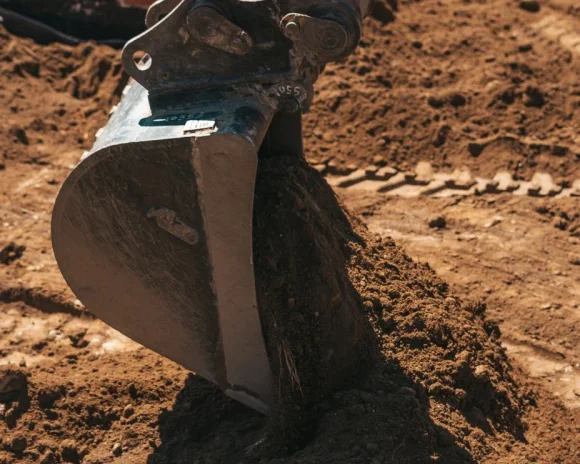
Excavation is a critical part of many construction and development projects, but it comes with inherent risks. Before excavation work begins employers must ensure proper planning, safety protocols, and site preparation are in place to protect workers and property. Neglecting these steps can lead to serious accidents, costly delays, and legal liabilities.
In this guide, we’ll explain the meaning of excavation, the role of excavation in construction, and what professional excavating companies do. You’ll also learn the essential safety and planning steps employers should take before digging begins.
Understanding Excavation
Many people ask, define excavation. Simply put, excavation is the process of removing earth, rock, or other materials from a site to create space for construction, landscaping, utilities, or other projects. It involves digging, grading, trenching, or moving soil and can range from small residential projects to large-scale commercial construction.
Excavation in construction is vital for building foundations, installing sewer lines, creating driveways, and preparing the land for new structures. Proper excavation ensures stability, drainage, and structural integrity for the project.
What Does an Excavating Company Do?
When considering excavation, it’s important to understand what does an excavating company do. Professional excavators provide the expertise, equipment, and safety knowledge to complete projects efficiently and safely. Their services typically include:
- Site Preparation: Clearing debris, vegetation, and obstacles to create a safe work area.
- Excavation Work: Digging trenches, foundations, or grading land according to project specifications.
- Soil Management: Moving, compacting, and stabilizing soil to prevent erosion and support structures.
- Utility Installation Support: Digging for water, sewer, gas, or electrical lines while maintaining safety standards.
- Equipment Operation: Using heavy machinery such as backhoes, excavators, and loaders to handle large-scale tasks.
Hiring experienced professionals ensures the excavation is done correctly, efficiently, and in compliance with regulations.
Safety Steps Employers Must Take Before Excavation Work Begins
Excavation can be hazardous. Statistics from workplace safety organizations show that trench collapses, falls, and contact with underground utilities are among the leading causes of injury or death on excavation sites. Therefore, before excavation work begins employers must follow a structured safety plan, including:
- Conduct a Site Assessment
Employers should inspect the site to identify potential hazards. Key considerations include:
- Soil type and stability
- Location of underground utilities
- Proximity to structures or roadways
- Potential water accumulation or flooding risks
This assessment helps employers design a safe excavation plan and reduces the risk of accidents.
- Obtain Permits and Utility Clearances
Before digging, ensure all necessary permits are acquired and that utility lines are properly marked. Contact local authorities or utility companies to confirm locations of underground gas, water, or electrical lines. This step is critical to prevent damage, injury, or service disruption.
- Provide Proper Training
Workers should receive training on excavation hazards, safe operation of equipment, and emergency procedures. Employees need to understand the risks associated with trenching, heavy machinery, and unstable soil. Training ensures that everyone on site knows their responsibilities and how to respond in emergencies.
- Implement Protective Systems
Depending on the depth and type of excavation, protective systems may be required. These include:
- Trench Shoring: Supports trench walls to prevent collapses.
- Sloping or Benching: Angling the sides of the excavation to improve stability.
- Guardrails and Barricades: Prevents unauthorized access and accidental falls.
These safety measures are mandatory in many jurisdictions and are essential for protecting workers.
- Develop an Emergency Plan
Even with precautions, accidents can occur. Employers must create a comprehensive emergency response plan, including:
- Emergency contacts and procedures
- Rescue equipment for trench collapses
- First-aid and medical protocols
A well-prepared plan can save lives and reduce the severity of injuries in case of an accident.
Planning Steps to Ensure Efficient Excavation
Safety isn’t the only concern. Proper planning also ensures that the project stays on schedule and within budget. Before excavation work begins employers must focus on these planning steps:
- Define Project Scope: Determine the size, depth, and purpose of the excavation. Clear project goals prevent miscommunication and errors.
- Select Appropriate Equipment: Choosing the right machinery for the soil type and project scale improves efficiency and safety.
- Establish Work Schedules: Plan excavation work during suitable weather conditions and consider time for inspections and soil stabilization.
- Coordinate with Contractors: Ensure all construction teams are aware of excavation plans to prevent conflicts and delays.
- Document the Plan: Keep records of permits, soil reports, and safety measures for compliance and future reference.
Proper planning minimizes delays, prevents costly mistakes, and ensures that excavation work supports the overall construction or landscaping project.
Common Hazards in Excavation Work
Understanding hazards helps employers implement effective safety measures. Common risks include:
- Trench Collapse: The most dangerous hazard, often caused by unstable soil or improper shoring.
- Falls and Slips: Workers may fall into trenches or trip on uneven surfaces.
- Equipment Accidents: Heavy machinery can cause injuries if not operated properly.
- Underground Utility Strikes: Hitting gas, water, or electrical lines can result in fires, explosions, or service disruption.
- Flooding or Water Accumulation: Water can weaken trench walls and destabilize the site.
Awareness of these hazards reinforces the importance of planning, inspections, and protective systems.
Choosing Experienced Excavation Professionals
Excavation is complex, and hiring skilled professionals is essential. Experienced contractors know what does an excavating company do and can:
- Evaluate soil and site conditions accurately
- Operate heavy equipment safely
- Follow local regulations and safety standards
- Prevent delays and minimize project risks
Relying on licensed, insured, and trained excavators ensures that your project progresses smoothly, safely, and efficiently.
Conclusion
Excavation work is fundamental to construction, landscaping, and utility projects, but it carries significant risks. Before excavation work begins employers must take thorough safety and planning steps, including site assessments, utility clearances, worker training, protective systems, and emergency planning.
Understanding the meaning of excavation, the importance of excavation in construction, and the role of professional excavating companies helps ensure projects are completed safely and effectively. Proper planning and professional guidance not only protect workers but also improve efficiency, reduce costs, and ensure project success.
By following these guidelines and choosing experienced excavation professionals, employers can create a safe work environment and lay the foundation for successful construction or landscaping projects.
Need professional excavation services? Choose licensed experts to handle your project safely, efficiently, and in compliance with all safety regulations. Call us at (910) 209-2719 today and let’s discuss your project!