Schedule Your Excavation Consultation Today!
Before any building rises from the ground, there is a crucial phase that determines the success, safety, and durability of the entire project: site preparation. If you’ve ever wondered what is site preparation in construction, the answer goes far beyond simply clearing land. It involves a detailed process of evaluating, clearing, leveling, and stabilizing a site so that construction can begin on a strong foundation.
This guide explains site preparation for construction, the steps involved, and why proper preparation is essential for every successful project.
What Is Site Preparation in Construction?
So, what is site preparation in construction exactly? It is the process of preparing land for building by making it safe, stable, and suitable for construction activities. This includes removing obstacles, testing soil conditions, leveling the ground, and ensuring proper drainage and access.
Without proper preparation, even the best-designed structure can face serious issues such as foundation failure, water damage, or structural instability.
In simple terms, site preparation for building construction is the foundation of the foundation—it sets the stage for everything that follows.
Why Site Preparation Is So Important
Understanding site preparation for construction is essential because it directly affects the safety, cost, and longevity of the project.
- Ensures Structural Stability
A well-prepared site provides a solid base for foundations, reducing the risk of shifting or settling over time.
- Improves Safety
Clearing hazards like debris, trees, and uneven ground helps protect workers and equipment during construction.
- Prevents Future Damage
Proper drainage and soil testing reduce risks like flooding, erosion, and foundation cracks.
- Saves Time and Money
Early identification of site issues prevents costly delays and repairs later in the project.
How to Prepare a Construction Site: Step-by-Step Guide
If you’re wondering how to prepare a construction site, the process involves several key stages. Each step is important for ensuring the land is ready for safe and efficient building.
Step 1: Site Assessment and Surveying
The first step in preparing a site for construction is conducting a detailed survey.
What This Includes:
- Measuring land boundaries
- Identifying slopes and elevation changes
- Checking soil conditions
- Locating underground utilities
Surveying helps engineers and contractors understand the site’s limitations and opportunities before work begins.
Step 2: Clearing the Land
Once the site is assessed, the next step is clearing it for construction.
This involves:
- Removing trees, shrubs, and vegetation
- Clearing rocks and debris
- Demolishing existing structures (if any)
Proper site preparation for construction ensures the land is completely free of obstacles that could interfere with building work.
Step 3: Soil Testing and Analysis
Soil quality plays a major role in construction safety.
Soil testing helps determine:
- Load-bearing capacity
- Drainage ability
- Soil composition
- Stability for foundations
If soil is too weak or unstable, it may need to be improved or replaced before construction begins.
Step 4: Grading and Leveling the Site
Grading is a critical part of site preparation for building construction.
Purpose of grading:
- Create a level surface for building
- Ensure proper water drainage
- Prevent erosion and flooding
Heavy machinery is often used to reshape the land and create a stable base for construction.
Step 5: Installing Temporary Utilities
Before construction begins, temporary utilities are often installed.
These may include:
- Water supply for construction use
- Temporary electricity
- Access roads for equipment and materials
This step ensures smooth workflow during the building phase.
Step 6: Drainage Planning
Proper drainage is essential when preparing a site for construction.
Why it matters:
- Prevents water accumulation
- Protects foundation integrity
- Reduces erosion risks
Drainage systems may include pipes, trenches, or natural slope adjustments.
Step 7: Excavation Work
Excavation involves digging the site to prepare for foundations and underground structures.
This may include:
- Digging trenches for utilities
- Excavating foundation areas
- Removing unsuitable soil layers
Precision is important to ensure the structure sits on a stable base.
Step 8: Soil Stabilization (If Needed)
In some cases, soil needs to be strengthened before construction.
Methods include:
- Adding gravel or sand layers
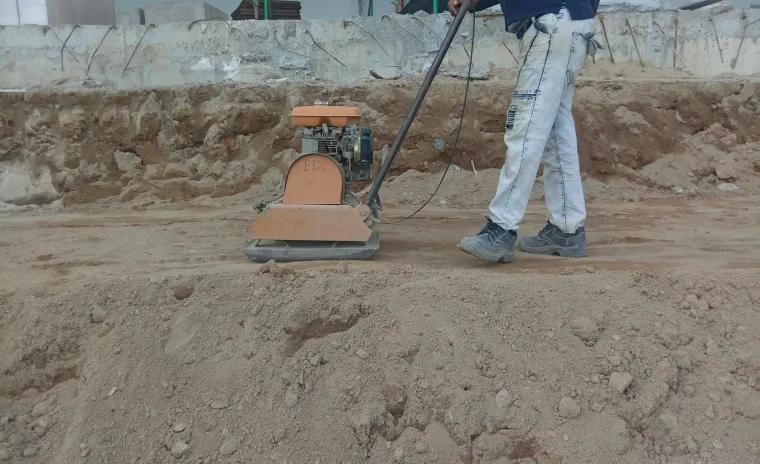
- Using compaction equipment
- Chemical stabilization for weak soils
This ensures the ground can support the weight of the structure.
Step 9: Final Site Inspection
Before construction begins, a final inspection ensures everything is ready.
Inspect for:
- Proper grading and leveling
- Safe working conditions
- Correct utility placement
- Compliance with building regulations
Only after approval can construction safely proceed.
Common Mistakes in Site Preparation
Poor planning during site preparation for construction can lead to serious problems. Avoid these common mistakes:
- Skipping Soil Testing
Failing to analyze soil can result in foundation instability.
- Poor Drainage Planning
Ignoring water flow can lead to flooding and erosion.
- Incomplete Land Clearing
Remaining debris can interfere with construction work.
- Ignoring Local Regulations
Failing to follow permits and codes can cause legal delays.
Benefits of Proper Site Preparation
When done correctly, site preparation for building construction provides several long-term advantages:
- Stronger building foundations
- Reduced construction delays
- Lower maintenance costs
- Improved safety for workers
- Longer structural lifespan
Proper preparation is not just a step—it is an investment in the entire project.
Why You Should Hire Professionals
While it may seem simple, preparing a site for construction requires technical knowledge, heavy equipment, and regulatory compliance.
Professional contractors offer:
- Accurate site assessments
- Advanced grading and excavation equipment
- Compliance with safety and building codes
- Efficient project management
Hiring experts ensures the job is done correctly the first time, reducing risks and costly mistakes.
Final Thoughts
Understanding what is site preparation in construction is essential for anyone involved in building projects. It is the foundation that determines the safety, stability, and success of the entire structure.
From surveying and clearing to grading and drainage, every step in site preparation for construction plays a critical role in ensuring long-term durability. Knowing how to prepare a construction site properly helps prevent costly issues and ensures a smooth building process.
Whether you are planning a small structure or a large development, investing in professional site preparation for building construction is one of the most important decisions you can make.