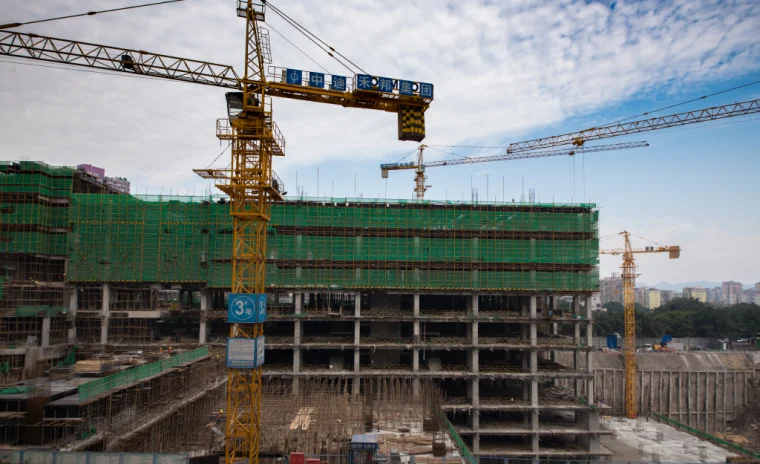
Why Construction Site Preparation Matters
Construction site preparation creates the base for everything that follows. If the ground is unstable or poorly graded, no structure will perform the way it should.
Common issues caused by poor preparation include drainage problems, erosion, foundation movement, and unsafe working conditions. Proper planning and execution reduce these risks.
Preparing land for construction is not just about clearing space. It is about making the site safe, stable, and ready to support long term use.
Step 1: Site Evaluation and Planning
Every successful construction site setup starts with a clear understanding of the land.
Reviewing Soil and Terrain
Soil type, slope, and drainage patterns all affect how a site should be prepared. Soft soil, low areas, and steep grades require extra attention during construction site preparation.
This evaluation helps determine the right approach for excavation, grading, and stabilization.
Permits and Local Requirements
Permits and zoning rules must be addressed early. Environmental guidelines, erosion control rules, and setbacks all affect site layout. Skipping this step can delay progress before work even begins.
Step 2: Land Clearing and Debris Removal
Land clearing is one of the first physical steps when learning how to prepare a construction site.
Clearing Trees and Brush
Trees, brush, and surface debris must be removed to open the work area. This allows equipment to move freely and exposes the ground for grading.
Professional land clearing services help ensure clearing is done efficiently and safely without damaging nearby areas.
Removing Debris From the Site
Tree debris and organic material must be hauled away or processed properly. Leaving it behind can lead to settling and drainage issues later.
This step is critical for proper construction site preparation.
Step 3: Excavation and Earthmoving
Excavation shapes the land to match the building plan.
Foundation and Utility Excavation
Excavation creates space for foundations, footings, and utility lines. Accurate depth and alignment matter at this stage.
Reliable excavation services help avoid rework and delays during later phases of construction.
Driveway and Access Excavation
Access to the site is important early on. Excavating a driveway allows equipment and materials to reach the work area safely.
Working with experienced driveway excavation contractors helps establish stable access that holds up throughout the project.
Step 4: Grading and Re-Sloping
Grading plays a major role in construction site preparation.
Managing Drainage
Water must move away from structures. Grading directs runoff and helps prevent erosion and standing water.
Professional land grading services support proper drainage and long term stability.
Creating a Level Base
A level surface is required for accurate foundation placement. Re-sloping uneven land also improves safety and site efficiency.
Step 5: Soil Compaction and Stabilization
Loose soil causes future problems.
Why Compaction Matters
Compaction increases soil strength and reduces settling. This step supports foundations, driveways, and slabs.
Skipping compaction often leads to cracking and uneven surfaces.
Meeting Build Requirements
Many projects require soil to meet specific density levels. Proper compaction helps keep inspections on track and avoids delays.
Step 6: Utility Layout and Trenching
Utilities are a key part of construction site setup.
Locating Existing Lines
Before trenching begins, existing utilities must be identified. This protects crews and prevents service disruptions.
Installing New Utilities
Water, sewer, drainage, and electrical lines require careful trenching and placement. Accurate layout helps avoid future issues.
Step 7: Site Access and Material Planning
A prepared site needs room to work.
Equipment Movement
Heavy equipment requires stable paths and work zones. These areas must be graded and maintained during construction.
Material Delivery
Gravel, fill dirt, and other materials need organized staging areas. Reliable gravel pick up and drop off helps keep projects moving without delays.
Step 8: Safety and Erosion Control
Safety begins before construction starts.
Controlling Site Access
Temporary fencing and signage help manage access and reduce risk. This protects workers and nearby property.
Preventing Erosion
Silt fencing and drainage controls help manage runoff and protect surrounding land. These measures are often required during construction site preparation.
Step 9: Final Site Review Before Building
Before building begins, the site should be checked.
Verifying Grade and Layout
Slopes, elevations, and boundaries should match the plan. Adjustments are easier now than later.
Ready for Foundation Work
Once approved, the site is ready for foundation installation. This confirms the success of the site preparation steps.
Common Construction Site Preparation Mistakes
Mistakes early on create expensive fixes later.
- Poor drainage planning
- Incomplete grading
- Skipped compaction
- Limited site access
Following a clear site preparation guide helps avoid these issues.
Residential and Commercial Site Preparation
The process is similar, but scale and timing differ.
Residential Projects
Homes often require detailed grading, driveway excavation, and lot preparation. Space and drainage are key factors.
Our lot preparation work helps homeowners start with a solid base.
Commercial Projects
Larger projects require careful planning, clear access routes, and staged material delivery. Organization keeps timelines moving.
Weather and Its Impact on Site Preparation
Weather affects how to prepare a construction site.
Wet Conditions
Rain can soften soil and slow progress. Drainage planning helps reduce downtime.
Dry Conditions
Dust control and moisture management help maintain soil stability during dry periods.
Experience with local conditions makes a difference.
Choosing the Right Excavation Company
When selecting an excavation company, look for reliability, clear communication, and proven local experience.
Consistent scheduling, modern equipment, and attention to detail help projects stay on track from start to finish.
Final Thoughts on How to Prepare a Construction Site
Understanding how to prepare a construction site protects your investment and keeps construction moving forward. From land clearing and excavation to grading and safety planning, every step matters.
When construction site preparation is done right, projects stay organized, efficient, and ready for long term success. Learning how to prepare a construction site properly helps avoid delays and unexpected costs.
How Coastal Bush Hogging & More Can Help
We handle construction site preparation for residential and commercial projects across Supply, NC. Our work includes land clearing, excavation, grading, driveway excavation, gravel delivery, lawn care, and lot preparation. We have been locally and family owned since 2005, and we are fully insured. Clients trust us because we show up, do the work right, and stand behind what we build. If you need help preparing land for construction, call Coastal Bush Hogging & More at (910) 209-2719 and let us get your site ready.