Schedule Your Excavation Consultation Today!
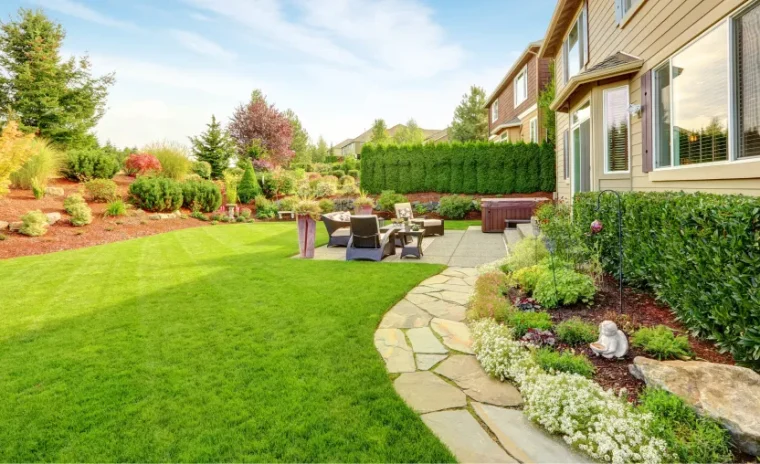
A healthy, green lawn can instantly improve the appearance of your home and create a welcoming outdoor space for family and guests. But many homeowners often ask, what is lawn care, and what does it actually involve?
Lawn care is more than simply mowing grass every few weeks. It includes a variety of maintenance practices designed to keep your yard healthy, attractive, and thriving throughout the year. Understanding lawn care basics can help homeowners protect their investment, improve curb appeal, and avoid costly lawn problems.
In this complete lawn maintenance guide, we’ll explain what lawn care includes, why it matters, practical maintenance strategies, and lawn care tips for homeowners who want a healthier yard.
What Is Lawn Care?
So, what is lawn care exactly?
Lawn care refers to the routine maintenance and treatment of grass and landscaping areas to promote healthy growth, prevent damage, and maintain an attractive appearance.
The goal of lawn care is to keep grass lush, green, weed-free, and resistant to pests and environmental stress.
Unlike basic yard cleanup, lawn care involves strategic maintenance practices tailored to your grass type, climate, soil condition, and seasonal needs.
A proper lawn care routine helps improve:
- Grass health
- Soil quality
- Weed prevention
- Pest resistance
- Overall curb appeal
- Outdoor usability
Whether you maintain your yard yourself or hire professionals, understanding lawn care fundamentals is essential.
What Does Lawn Care Include?
One of the most common homeowner questions is, what does lawn care include?
Lawn care involves several important services that work together to maintain healthy grass.
1. Lawn Mowing
Mowing is one of the most visible aspects of lawn care.
However, proper mowing is about more than keeping grass short. Cutting grass too low can weaken roots and create stress.
Best mowing practices include:
- Avoid cutting more than one-third of grass height at once
- Keep mower blades sharp
- Mow regularly during peak growth seasons
- Change mowing patterns to avoid soil compaction
Consistent mowing encourages thicker and healthier grass growth.
2. Fertilization
Grass needs nutrients to grow properly.
Fertilization supplies essential nutrients like:
- Nitrogen
- Phosphorus
- Potassium
Different lawns require different fertilization schedules depending on grass type and climate.
Seasonal fertilization helps lawns stay green, thick, and resilient.
3. Weed Control
Weeds compete with grass for nutrients, sunlight, and water.
Common lawn weeds include:
- Dandelions
- Crabgrass
- Clover
- Broadleaf weeds
Weed control may involve:
- Pre-emergent treatments
- Post-emergent herbicides
- Healthy lawn practices that naturally suppress weed growth
Preventing weeds early often produces better long-term results.
4. Watering and Irrigation
Proper watering is one of the most important lawn care basics homeowners should understand.
Overwatering can damage grass just as much as underwatering.
Generally, lawns need around one inch of water per week, though this varies based on climate and season.
Watering tips include:
- Water deeply but less frequently
- Water early in the morning
- Avoid evening watering when possible
- Watch for dry spots
Deep watering promotes stronger root systems.
5. Aeration
Over time, soil can become compacted, restricting airflow and nutrients.
Aeration involves creating small holes in the lawn to improve:
- Water absorption
- Oxygen flow
- Root growth
- Nutrient penetration
Aeration is especially helpful for heavily used lawns.
6. Pest and Disease Control
Healthy lawns are still vulnerable to insects and diseases.
Common lawn problems include:
- Grubs
- Fungus growth
- Brown patches
- Sod webworms
Early identification and treatment help prevent extensive lawn damage.
7. Seasonal Lawn Maintenance
Seasonal care is another essential part of what does lawn care include.
Different seasons require different maintenance approaches.
Spring often focuses on fertilization and weed prevention.
Summer emphasizes watering and mowing.
Fall is ideal for aeration and overseeding.
Winter preparation helps protect grass during dormant months.
Why Is Lawn Care Important?
Many homeowners wonder, why is lawn care important if the grass still grows on its own.
The truth is that consistent lawn care offers several important benefits.
1. Improves Curb Appeal
A well-maintained lawn creates a positive first impression and enhances the appearance of your home.
Green, healthy grass makes outdoor spaces more inviting and attractive.
2. Increases Property Value
Landscaping and lawn quality can impact resale value.
Homes with attractive lawns often appear better maintained and more appealing to buyers.
3. Prevents Lawn Damage
Neglected lawns are more likely to develop:
- Bare patches
- Weed infestations
- Pest problems
- Soil erosion
Routine care helps prevent expensive restoration work later.
4. Creates Healthier Outdoor Spaces
A healthy lawn provides a comfortable space for outdoor activities, pets, children, and entertaining guests.
5. Supports Environmental Health
Healthy grass helps:
- Reduce soil erosion
- Improve air quality
- Absorb rainwater runoff
- Lower surrounding temperatures
Understanding why is lawn care important helps homeowners see lawn maintenance as a long-term investment.
Lawn Care Tips for Homeowners
Whether you’re new to lawn maintenance or improving your routine, these practical lawn care tips for homeowners can help.
1. Know Your Grass Type
Different grass varieties require different care.
Cool-season grasses and warm-season grasses have unique needs regarding watering, mowing, and fertilization.
Understanding your lawn type improves maintenance decisions.
2. Test Your Soil
Healthy grass begins with healthy soil.
A soil test can reveal:
- Nutrient deficiencies
- pH imbalance
- Drainage concerns
This information helps guide fertilizer and treatment choices.
3. Don’t Cut Grass Too Short
Many homeowners mow too low.
Keeping grass slightly taller encourages deeper roots and helps shade out weeds.
4. Water Smartly
Avoid frequent shallow watering.
Instead, water deeply to encourage stronger root development.
5. Feed Your Lawn Properly
Fertilizer timing matters.
Applying the wrong product at the wrong time can reduce effectiveness.
Follow seasonal recommendations for best results.
6. Stay Ahead of Weeds
Preventive weed treatments are usually more effective than waiting until weeds spread.
Healthy grass also naturally crowds out weeds over time.
Creating a Lawn Maintenance Schedule
A good lawn maintenance guide includes year-round planning.
1. Spring Lawn Care
- Fertilize grass
- Apply weed prevention
- Begin mowing regularly
- Repair winter damage
2. Summer Lawn Care
- Water consistently
- Mow carefully during heat
- Monitor for pests
3. Fall Lawn Care
- Aerate soil
- Overseed thin areas
- Fertilize for winter preparation
4. Winter Lawn Care
- Minimize lawn traffic
- Remove debris
- Plan for spring maintenance
Following seasonal schedules helps maintain lawn health year-round.
How to Choose a Lawn Care Company
Some homeowners prefer professional help for maintenance. Understanding how to choose a lawn care company can help ensure reliable results.
Here are important things to look for:
1. Experience and Reputation
Research online reviews and ask for referrals.
- Established companies often have stronger expertise.
Licensed and Insured Services
Verify the company is properly insured and follows local regulations.
3. Service Options
Choose a provider that offers services matching your lawn needs, such as:
- Fertilization
- Weed control
- Aeration
- Pest management
- Seasonal cleanup
4. Customized Lawn Plans
Avoid companies using one-size-fits-all treatments.
Healthy lawns benefit from personalized care strategies.
5. Transparent Pricing
Request clear estimates and service explanations before signing agreements.
Knowing how to choose a lawn care company helps homeowners avoid poor-quality service.
Common Lawn Care Mistakes to Avoid
Even good intentions can lead to lawn problems.
Avoid these mistakes:
- Overwatering
- Mowing too short
- Ignoring weeds early
- Skipping fertilization
- Using incorrect treatments
- Neglecting seasonal maintenance
Consistency is key to lawn success.
Final Thoughts on What Is Lawn Care
So, what is lawn care?
It’s the process of maintaining healthy grass through mowing, fertilization, watering, weed control, aeration, and seasonal care practices.
Understanding lawn care basics helps homeowners create healthier, greener outdoor spaces while protecting property value and preventing costly lawn issues.
Whether you manage your own yard or hire professionals, following a reliable lawn maintenance guide, applying smart lawn care tips for homeowners, and understanding what does lawn care include will help you maintain a lawn you can enjoy year-round.